




























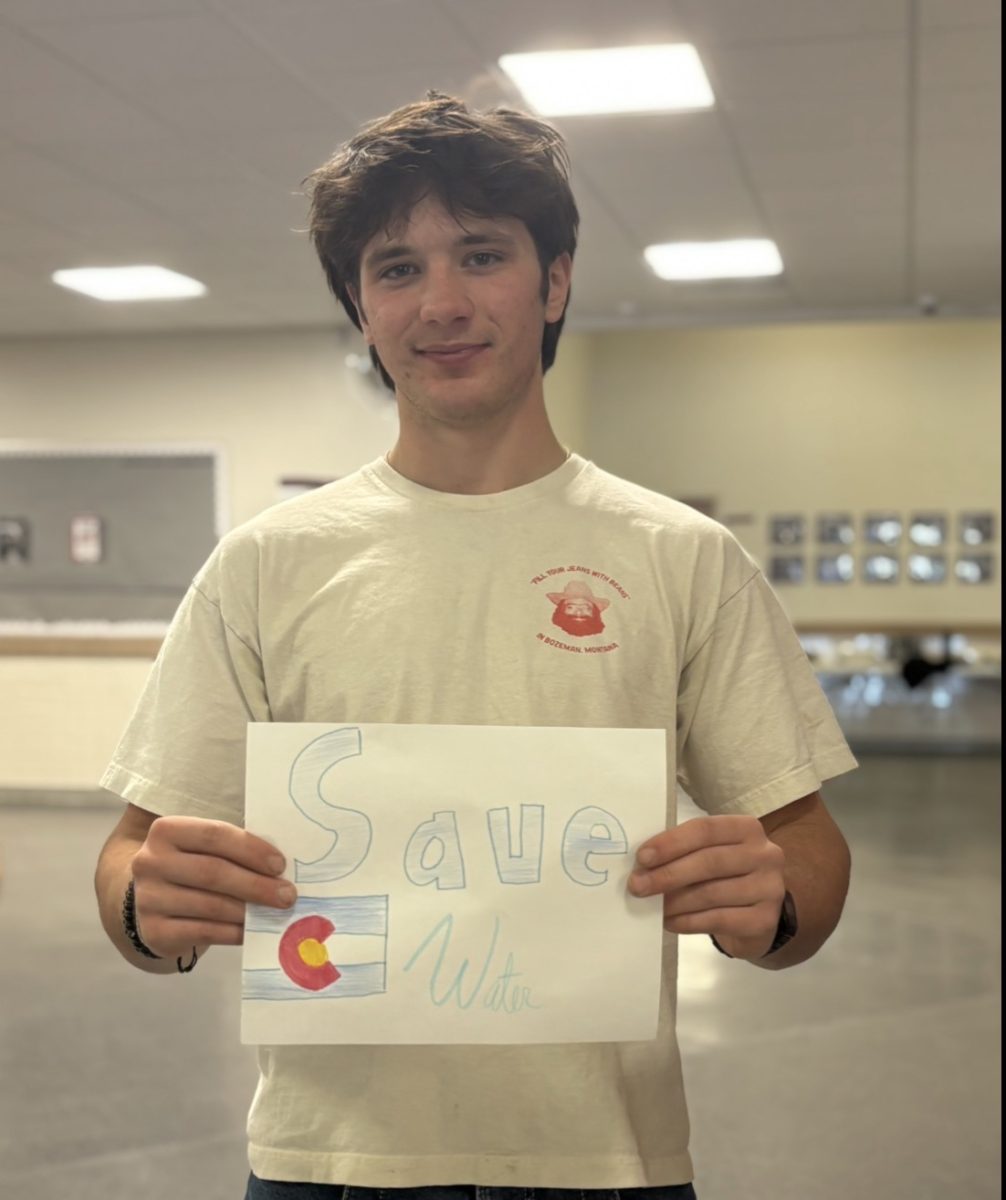
From no snow to record high temperatures, scarce ski slopes, to tan lines in March, everyone’s been noticing the drastically warm weather with no water in sight. The huge drought in Western America already threatens Colorado, but this past winter has set record high temperatures and record low snowfall. This marks the worst drought Western Colorado’s been in for approximately 1,200 years according to senior water and climate research scientists at CSU’s Colorado Water Institute. Water gives life to the valley, and with the current lack of water, this drought’s long term effect could cripple everything from ecosystems to economies.
Everyone who grew up in the Grand Valley knows that drought has been a problem Coloradan’s for a while, dating back to the early 2000s, but this winter’s lack of snow triggered concern in residents from Colorado to California. On the Mesa, the snowpack was approximately 44% of what it should have been, according to the Daily Sentinel, and about 60-70% of the snow has already melted off of Colorado’s mountains. It’s sad enough to see ski slopes closing a month earlier than normal, but this pales in comparison to the effects of the drought that are ahead of us.
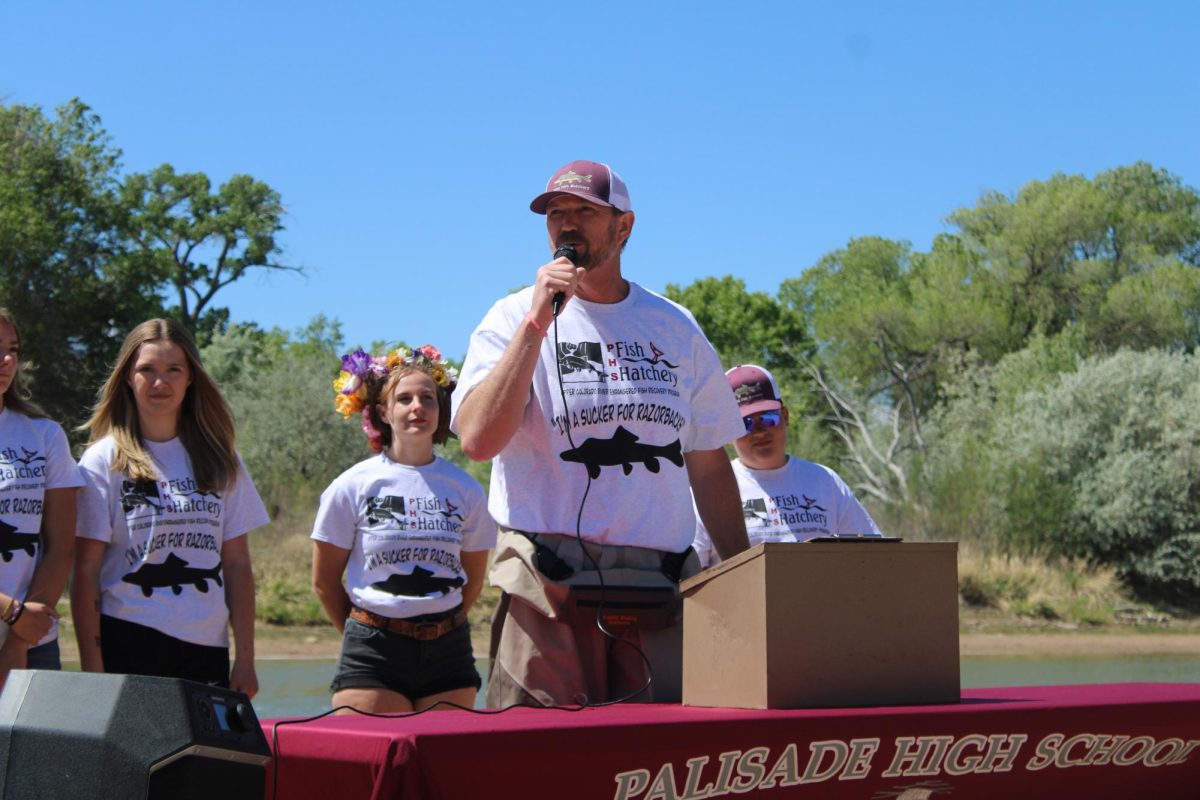
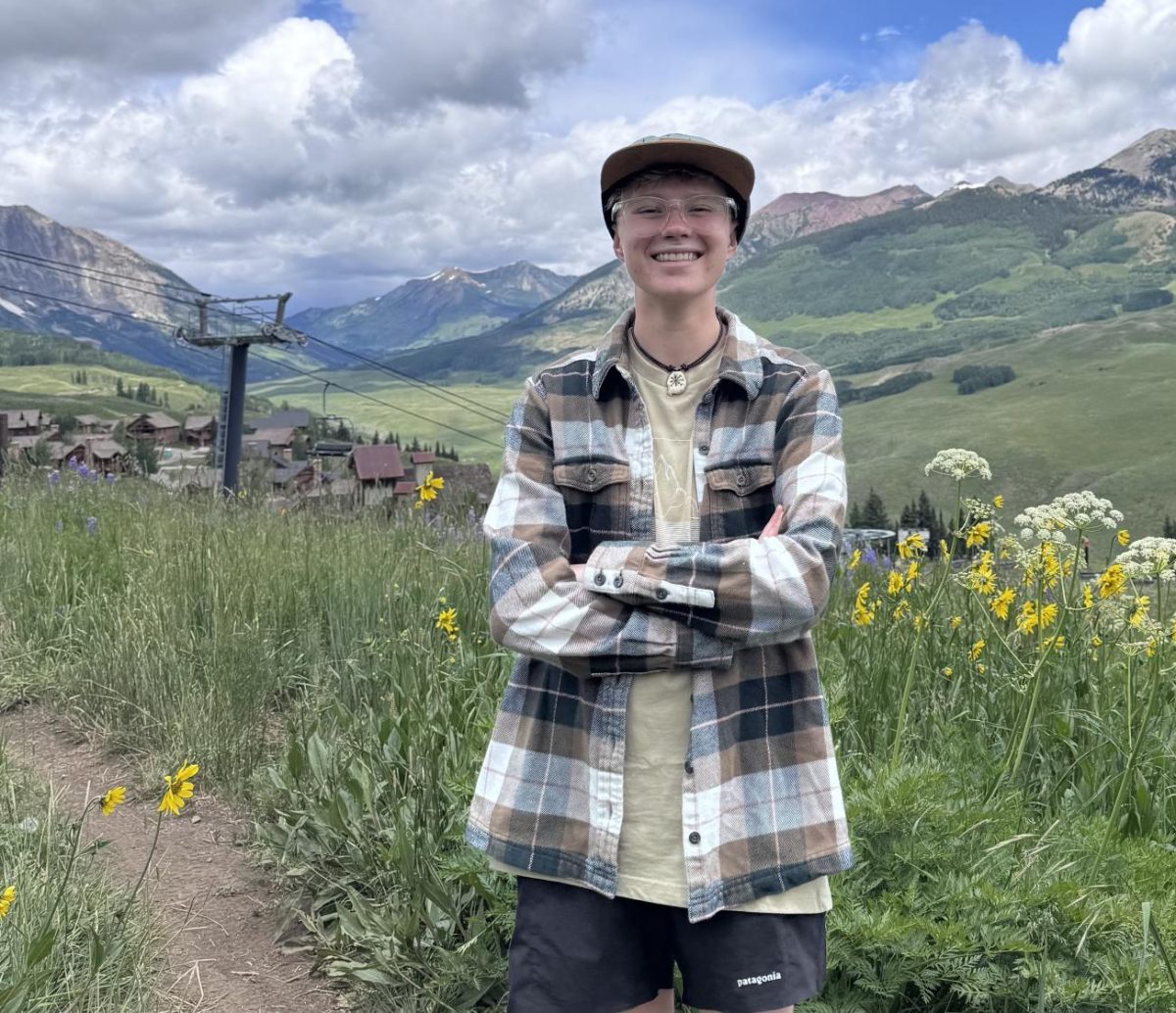
The first thing that droughts affect is agriculture. Native Coloradans who’ve farmed and raised livestock for decades are almost guaranteed to see restrictions in water as well as record breaking temperatures, therefore making farming and ranching harder than ever. With the Colorado River already so low, this threatens not just people, but ecosystems. “The drought is going to be detrimental to the specifically native fish populations,” says Beckett Carlton, who participates in the Fish Hatchery program at Palisade. “The lower the water level, the more the fish are going to suffer, because obviously, they don’t have less space to live, which sounds simple, but is very much true. When the water’s lower, they have less ability to breathe, less ability to reproduce, and less ability to eat. I think right now, it’s not going to be detrimental, but in future years, it will definitely be. It can be really bad and it’s very scary looking forward.”
Although we can’t control the weather, it is up to us to help conserve water to find smart solutions to the drought, such as collecting rainwater, or limiting shower time. “I think as individuals, it’s just a matter of prioritizing what water we use, especially if we get irrigation water from the Colorado River,” notes Carlton. “If you’re going to take water from the river, just think it through before you do.” Stay updated to the Paw Post for more information about news affecting PHS!