





The Super Bowl is a classic American tradition that celebrates our nation’s best football players. As contradictory as it is, an annual focus of the game seems to be the halftime show. Every year, music lovers fawn over the artist and song selections, detail shown in the performance, and culture of the environment. However, this year’s Super Bowl LX, hosted on Sunday, February 8th, looked a little different. The announcement of Puerto Rican rap artist Benito Antonio Martínez Ocasio, most commonly recognized as Bad Bunny, sparked up enough controversy to create a seperate halftime show.
The conservative organization Turning Point USA (TPUSA) announced their own “All American Halftime Show” in October, following Bad Bunny’s announcement. The show, according to Turning Point, was created to celebrate “faith, family, and freedom”. Artists including Robert James Ritchie, known as Kid Rock, were set to lead the concert that was aired at the same time as Bad Bunny’s performance.
On the day of the Super Bowl, I didn’t watch either halftime show, not for any particular reason. I opened Tik Tok later that night, and to my surprise the reception regarding both performances was not what I expected. I saw a conservative influencer applaud Bad Bunny’s performance, and a Christian influencer express their disappointment with TPUSA’s show.
I’d like to clarify that music preference has, or should have, nothing to do with politics. There is no wrong in disliking Latin music or preferring country music. But the issue regarding the battling halftime shows was never about music preference.
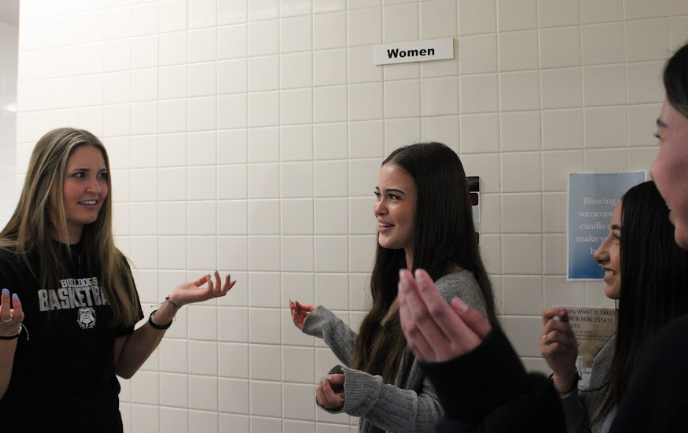
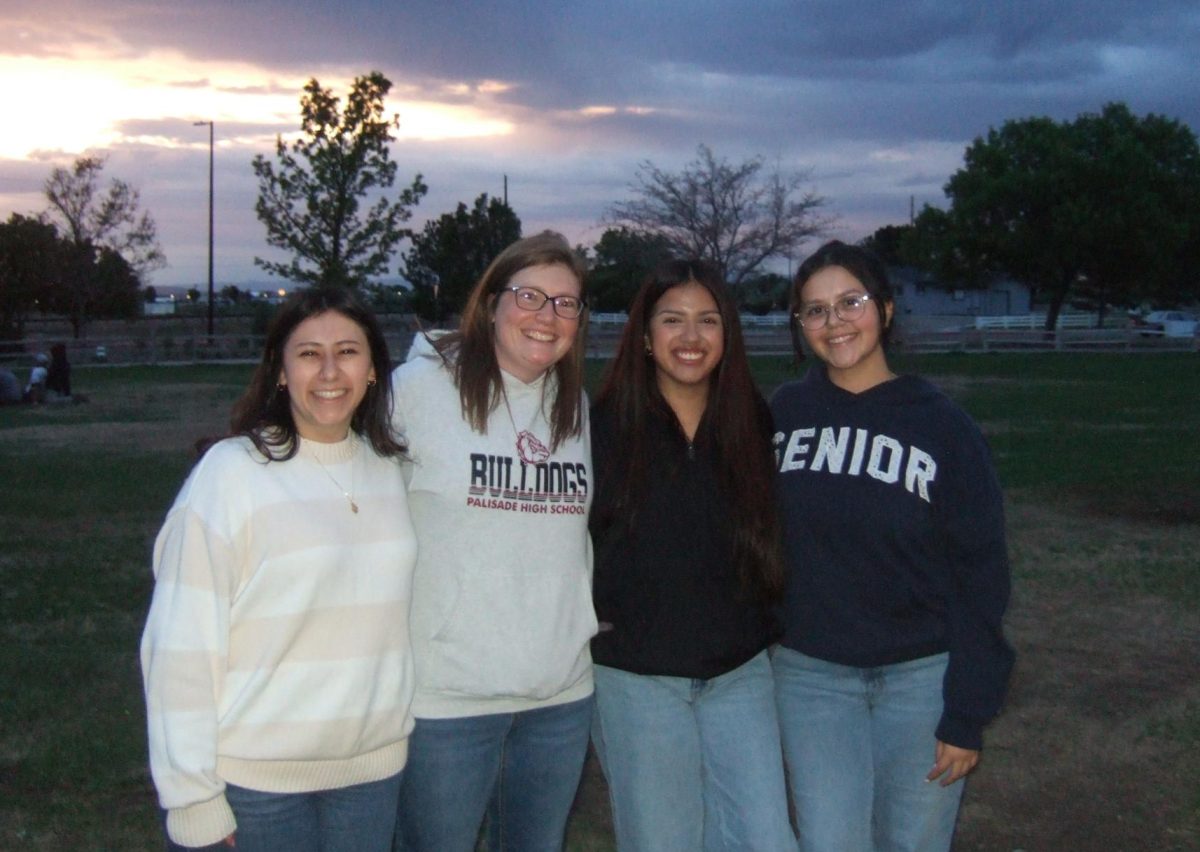
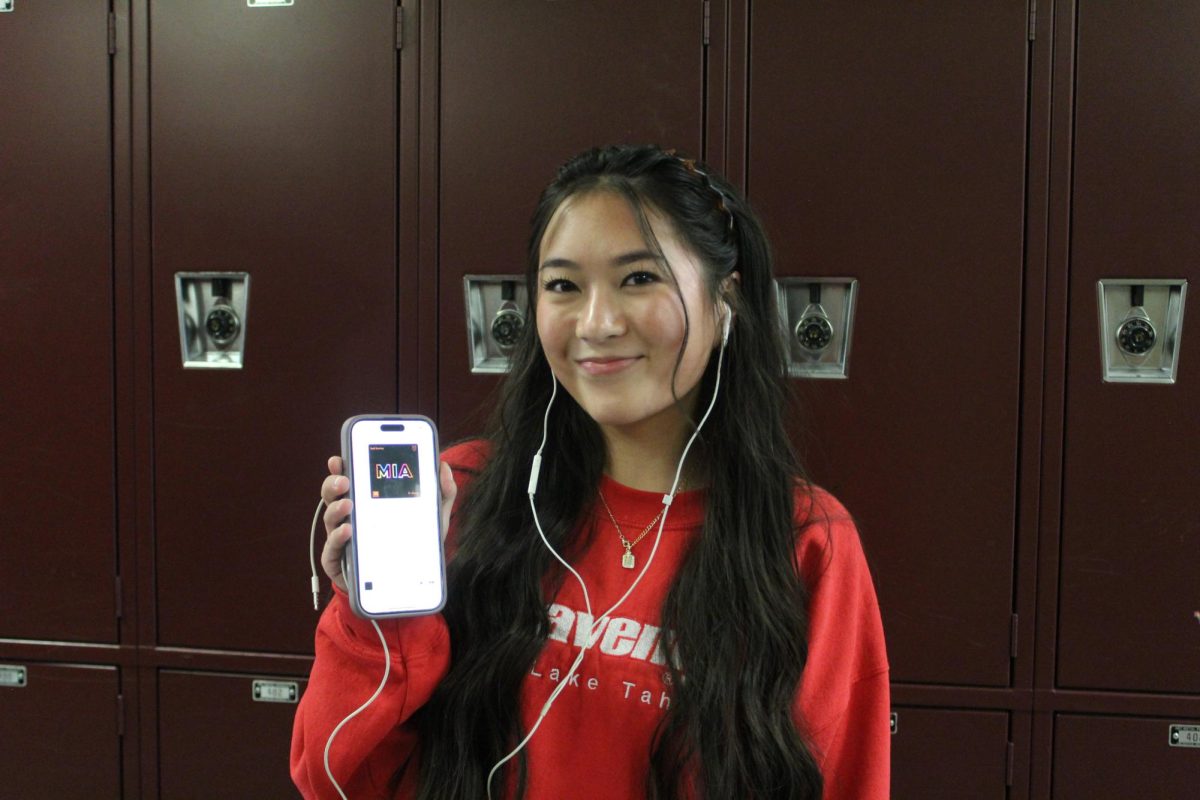
Bulldog senior and Bad Bunny fan Katalyne Hean shared her opinion regarding the TPUSA show. Hean comments, “I feel like this performance was built off of not passion for the music… it was build out of hate, like a counterargument.”
I couldn’t help but wonder if the seemingly targeted “All-American” title of the TPUSA show was a dig to the culture of Bad Bunny’s performance. Puerto Rico is an American territory, therefore Puerto Rican culture is American. No one had a problem with Shania Twain, Paul McCartney, or The Weeknd. America was demanded to be represented at the Super Bowl, and it was.
“In a circumstance where it’s the Super Bowl, where it’s not supposed to be a place for political advocacy… the Kid Rock performance further reinforced the segregation and the division that America has right now,” shares Hean.
Some football fans might have skipped Bad Bunny’s performance due to opposing political beliefs, in fear that he would promote a political message as opposed to a performance. Some other viewers may have turned off the TV after noticing promiscuous dancing and profane lyrics in the interest of young viewers. While both reasons for skipping Bad Bunny’s performance are understandable, TPUSA’s show was not necessarily a kid-friendly substitute. The artist selection of Kid Rock discredited the “faith” portion that was promised in the show. What disappointed me was the fact that TPUSA passed up a perfect opportunity to deliver a powerful “family-friendly, faith-based” message that was promised to millions of viewers across the nation.
The Super Bowl ignited an important message to our generation: we cannot grow in division. If the Super Bowl halftime show, an event where not just opposing sports fans but citizens all across the country come together, is divided politically, how will we move forward as a country? The beauty of our country is the fact we are given a right to disagree. As future changemakers, let’s use that right to have meaningful and respectful conversations with people we disagree with. To quote the message shown during Bad Bunny’s show, the only thing more powerful than hate is love.