


































Ping-pong. In Palisade junior Beckett Carlton’s opinion, the first word that comes to mind when describing the sport is “lame”. However, this lukewarm preconception rapidly reversed when watching the new blockbuster hit, Marty Supreme.
Opening on Christmas Day, the American-made film undoubtedly engaged widespread audiences and grossed approximately $10.8 billion on its first day. This 150-minute blast from the past was established as the highest-grossing film, domestically and internationally for its production company A24. Director Josh Safdie demonstrates the sentiment of ‘dream big’ in larger-than-life ways including gun fights, aggressive table tennis duels, and bathtubs falling through ceilings.
Marty Supreme is loosely inspired by charismatic table-tennis player Marty Reisman but avoids the traditional structure of a biopic. Instead, the film reinvents Reisman’s career into a violently hustling, high-energy storyline amidst 1950s New York with mobsters and loans catching up to the fictional character, Marty Mauser. Played by Timothée Chalamet, Mauser prioritizes keeping momentum, improvement, and victory in his table-tennis career. Audiences clearly see his dedication during two significant matches. First, Mauser loses to Japanese ping-pong prodigy Koto Endo, fueling his burning desire for a rematch. Second, Mauser and Endo face off in an arranged match, meant for Mauser to lose as a marketing scheme. Further characterizing Mauser’s arrogant persistence, he refuses to lose in order to redeem himself and prove himself as ‘Marty Supreme’.
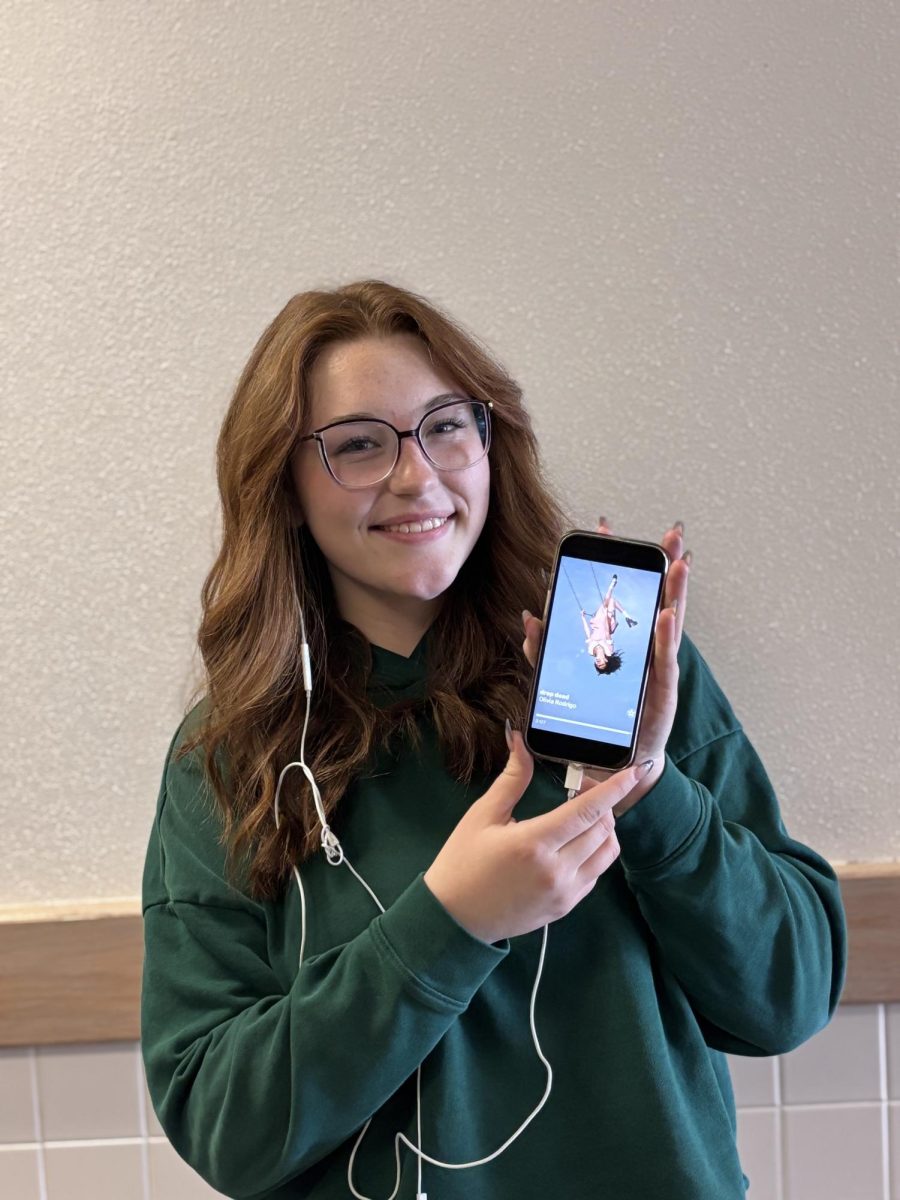
In between these two matches, Safdie jam packs Mauser’s alternate life of theft and adultery alongside his partner-in-crime Wally, played by Tyler, the Creator plus two romantic interests, Rachel Mizler played by Odessa A’zion and Gweytnh Paltrow’s Kay Stone. Junior Tilly Stephens-Marner comments, “I was expecting more ping-pong.”
Despite the somewhat contrasting storylines, Marty Supreme does not falter in technical beauty and directive skill. To imitate thrill, dizzying camera movements were established. To imitate triumph, clear shots of Mauser celebrating provoked viewer’s pride. To imitate passion, a perfectly composed soundtrack played. Stephens-Marner describes the film as the “best piece of cinema that I’ve watched in a long time.” Official reviews of Safdie’s electric film and Chalamet’s masterful performance were overwhelmingly positive, reaching 95% on Rotten Tomatoes.
Uniquely, the marketing of Marty Supreme was a central focus seen through the production of custom jackets and trademarked phrases like “Dream Big” and “Marty Supreme Christmas Day, An American Movie”. A24 certainly leveraged an unconventional marketing strategy spanning multiple promotional activities, merchandise, ‘leaked’ offline events, and cross-media collaborations to boost the cultural phenomenon that is Marty Supreme. The Internet was targeted in advertising, instead of, for example, traditional talk show appearances. This ensured younger age groups would consume the media and push it back out, creating even more promotional success for the film itself.
Orange ping-pong balls adorned with “Marty Supreme”, “Dream Big”, and three bold stars, made their mark both on and off screen. To emphasize visibility, Mauser strictly utilizes these ping-pong balls and coins them as his personal superpower to achieve greatness. Off screen, Chalamet and the cast strictly stunted the same ‘Marty Supreme Orange’ at premiers and press events. This perfectly curated shade has drawn immense external attention with Stephens-Marner commenting, “Orange gets a bad reputation, but they reinvented it.” Furthermore, Stephens-Marner says, “They put a lot of their budget towards marketing and didn’t think about how audiences would perceive that as opposed to the movie. They were trying to manufacture hype instead of letting it happen naturally.”
Did the trademarks of orange and ’90s-inspired windbreakers lead audiences astray? Did the chronically online marketing skills lose sight of the plot? “The basis was that Marty was a bad person, and he let his priorities get out of order. But, they marketed it as a hopeful story. Audiences see him as an aspirational guy, which I don’t think is a good thing,” states Stephens-Marner.
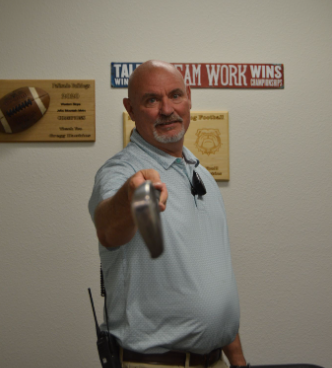
Carlton presumably says, “You don’t associate success with ping-pong.” It is safe to say that Marty Supreme changed the world’s perception of a ragtag sport and the definition of American greatness. Despite an emphasis on social media marketing and dueling subplots, the film encapsulated viewers while simultaneously inspiring them to “Dream Big”, or maybe to just invest in a ‘Marty Supreme Orange’ clothing piece.
Stephens-Marner concludes, “In every ping-pong setting I’ve been in, the only thought I’ve had is, ‘Wow, I really wish I was better at this.’” As America ‘dreams big’, we can also perfect our ping-pong craft thanks to Marty Supreme.